
The Origins of Middle Village
Nestled in the west-central heart of Clifton, New Jersey, the neighborhood of Middle Village is a place where history lingers on every leafy street corner and echoes in the stories told from porch to porch. Known for its unassuming warmth, this community has quietly played a central role in Clifton’s development for over a century. The very name—Middle Village—speaks to both its geographical placement and its role as a meeting ground for generations of local families.
The roots of Middle Village extend back to the late 19th and early 20th centuries, a time when Clifton was rapidly transitioning from farmland and forest to a patchwork of neighborhoods catering to new American dreams. Early records suggest that Middle Village got its name simply: it was the “middle” section between prominent surrounding neighborhoods, situated conveniently between the thriving commercial center on Main Avenue and the more rural stretches toward today's Route 46. Its crossroad identity made it a natural gathering place for settlers and travelers alike.
Key Historical Milestones
Middle Village’s evolution mirrors the broader patterns of Clifton’s growth, marked by a series of important milestones:
- Early Settlement: As Clifton’s farmlands were subdivided for residential development, Middle Village attracted craftspeople and small business owners. By the 1920s, modest homes lined Valley Road, St. James Place, and Harrison Street, signaling the area’s transition from rural to residential.
- Post-War Boom: The 1940s and ‘50s brought a surge of new residents—many Italian, Polish, and Irish immigrant families—who found Middle Village’s tree-lined streets and sturdy homes along Notch Road and Speer Avenue perfect for putting down roots. Local construction flourished, and the sense of neighborhood pride grew stronger.
- Cultural Landmarks: By the 1960s, Middle Village was firmly established as a community-oriented enclave, home to thriving local businesses, family-owned bakeries, and gathering spots like Richfield Park. Institutions such as School 16, right on St. James Place, became focal points for education and community events.
Notable Landmarks and Buildings
Middle Village may not boast the high-rises of downtown Clifton, but its charm is woven into its classic, enduring sites:
- Richfield Park: One of Clifton’s green treasures, Richfield Park at the neighborhood’s northern edge has been a recreational centerpiece for decades. Its baseball diamonds, walking trails, and towering shade trees have hosted countless picnics and little-league games.
- School 16: Known formally as the Clifton Elementary School #16, this neighborhood school has welcomed generations of Middle Village children since the mid-1900s. Its red brick façade and familiar bell are landmarks for residents old and new.
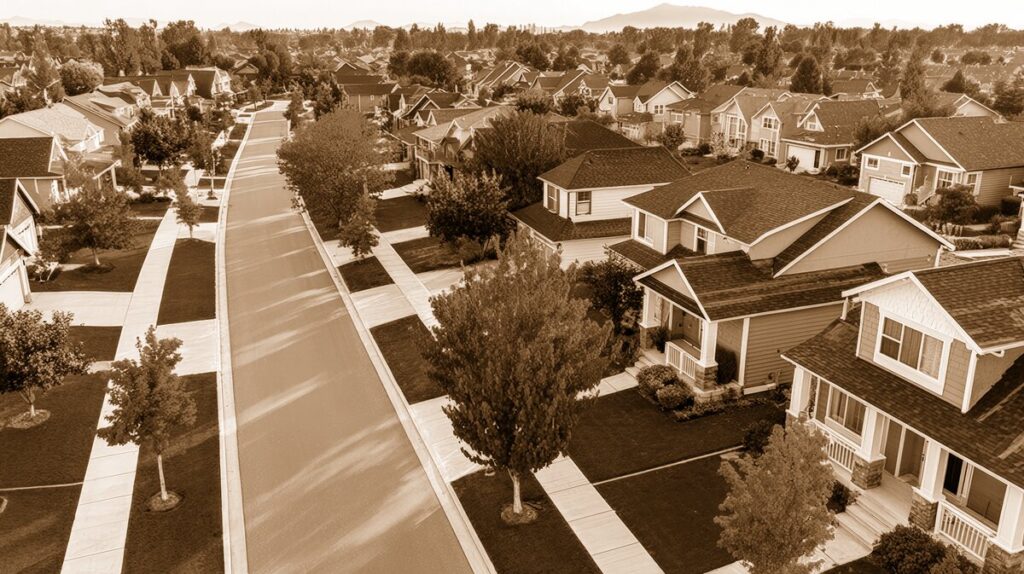
- Historic Homes: Throughout Middle Village, especially along Valley Road and Speer Avenue, you’ll find beautiful Craftsman bungalows, Tudor cottages, and Colonial revivals—each with unique touches that hint at the neighborhood’s rich past. Many homes still sport original stonework and wood detailing from the 1920s and ‘30s.
- St. Philip the Apostle Church: Located just a short stroll from Middle Village’s core, this Catholic parish dates back to 1914 and has been a spiritual home for generations. Its Gothic-inspired architecture is a local icon, and the annual parish festival remains a highlight of the neighborhood calendar.
Community Spirit and Evolution
One of Middle Village’s greatest assets has always been its sense of continuity and community. Decade after decade, events like the neighborhood block party on Harrison Street or youth games at Richfield Park have brought residents together in celebration.
While the neighborhood has evolved—reflecting new waves of diversity and modern updates—it has retained that quintessential Clifton flavor. Recent years have seen new families settling in, bringing with them a renewed interest in local history, gardening, and volunteer initiatives. The streets are still alive each autumn with the sound of children trick-or-treating and neighbors swapping stories about “the old days” on their front steps.
Streets and Institutions That Define Middle Village
For locals, Middle Village is best explored on foot, wandering along its classic thoroughfares:
- Valley Road: The main artery of Middle Village, dotted with family-owned eateries, corner stores, and timeless row houses.
- Speer Avenue: Known for its generous lawns and mature trees, Speer Ave is where many of the area’s best-preserved homes can be found.
- St. James Place: A residential street where neighbors still know each other by name and wave from their porches every evening.
- Harrison Street: The site of annual block parties and festive gatherings, Harrison provides a living showcase of the neighborhood’s community-first spirit.
Long-time institutions like School 16, the local branches of the Clifton Public Library, and St. Philip’s Church continue to play pivotal roles in knitting the community together.
Middle Village Today: A Neighborhood with Heart
Ask any resident what makes Middle Village special, and you’ll hear stories of kindness, resilience, and deep pride. The neighborhood’s historic houses are lovingly kept, its parks bustling, and its streets alive with the diverse tapestry that characterizes all of Clifton.
Middle Village remains a place where the past is cherished, but not at the expense of welcoming the future. Over the decades, it has fostered an enduring sense of belonging—the kind you can feel when walking beneath the shading maples on a sunny afternoon or chatting with longtime shopkeepers along Valley Road.
Whether you’re a lifelong resident or a newcomer finding your way, Middle Village offers a true taste of Clifton’s heritage and heart—and that is something worth celebrating every day.